

Transmission repair in Reno
Transmission repair means finding what is wrong inside or around the transmission and fixing that part, which can be as small as a leak or as large as an overhaul. A-1 Transmission in Reno has done this work since 1968 and diagnoses first, so you hear what the vehicle needs before anything is done.
Closed now. Opens Monday at 7:30 am.
Symptoms
Signs that point to this work
What a transmission repair generally involves
What this work generally involves at a transmission shop:
- Confirming the symptom on a road test
- Checking the fluid level and condition
- Reading any stored codes with a scan tool
- Finding the part that failed: a seal, sensor, solenoid, the valve body or a hard part
- Repairing or replacing that part
- Road-testing the vehicle again
Every vehicle is different: ask what yours will include when you call. Ask about warranty coverage when you call, too.
The shop's own description is short: "We serve area drivers with the finest in transmission repair and services." Drivers come in with slipping, leaking, late shifting, a warning light or a vehicle that will not go into gear, and the first job is always the same: work out what is actually wrong. The shop works on cars, trucks, SUVs, RVs and 4x4s, foreign and domestic.
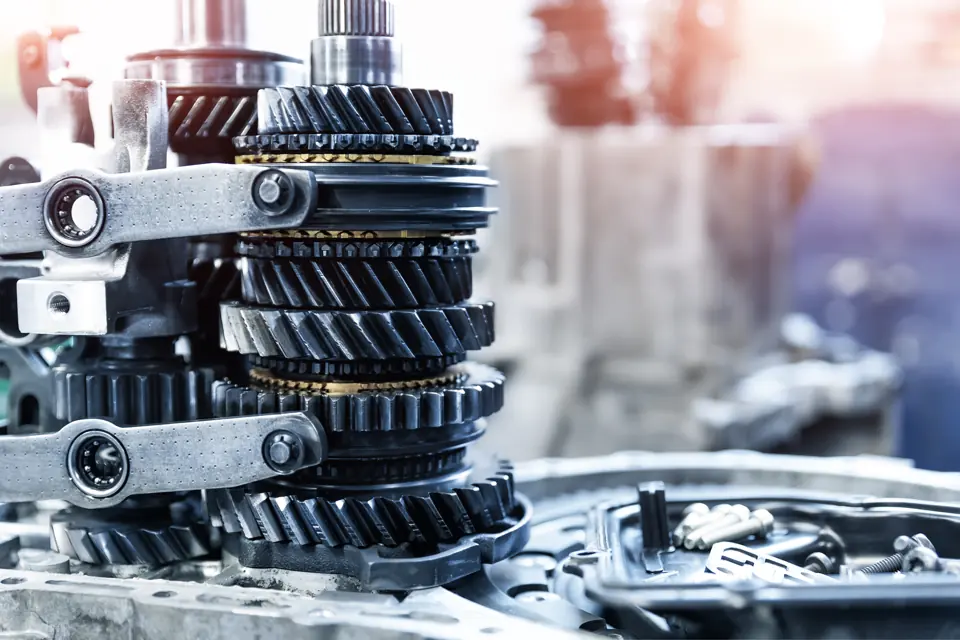
At a glance
- Every type of transmission: automatic, manual, CVT and dual-clutch
- Clutches and transfer cases
- Diagnosis first, then a plain explanation of what the vehicle needs
- Cars, trucks, SUVs, RVs and 4x4s, foreign and domestic
- In business in Reno since 1968
What counts as a transmission repair?
A transmission carries engine power to the wheels and changes the ratio as your speed changes. Repair is the umbrella word for everything done to keep that job working. Some repairs happen with the transmission still in the vehicle, such as fixing a leaking seal or pan gasket, replacing a failed speed sensor, or addressing a worn shift linkage. Others need the unit removed and opened up, which is the work described on the rebuilds and overhauls page.
The distinction matters because the size of the repair drives the size of the bill, and the symptoms alone rarely tell you which one you have. Slipping, for example, can come from low fluid, a leak, an electrical fault or worn clutches inside. Only a look at the vehicle separates them.
Repairs, from small to large
It helps to think of repair work as a ladder. At the bottom are the outside parts: fluid level and condition, the pan and its gasket, cooler lines, speed and range sensors, wiring and mounts. In the middle are the parts bolted to the case or sitting in the valve body area, such as solenoids and the filter. At the top is the hard internal work on clutch packs, bands, the pump and gear sets.
A good shop starts at the bottom and works up only as far as the evidence goes. That fits the shop's stated promise, "We will never try to sell you a service you don't need."
- Leaks: pan gasket, seals, cooler lines, fill tube
- Electrical: sensors, connectors, shift solenoids, wiring
- Fluid: level, condition and the correct type for your vehicle
- Internal wear: clutches, bands, pump, valve body, torque converter
Signs it is time to have it looked at
The common signs are an engine that revs without the vehicle speeding up, a pause or thump when you shift into Drive or Reverse, shifts that come late or hard, whining or grinding, red or brown fluid under the vehicle, a burning smell, and a check engine light with a transmission code. Each has its own page: start with transmission slipping, hard or late shifting, a fluid leak or a vehicle that will not go into gear.
These pages describe what a symptom usually means. They are information, not a diagnosis of your vehicle.
What the shop does first
Before any repair is chosen, the shop follows its own rule from the services page: "We will diagnose the situation to determine the kind of service you need." Read how that goes on the diagnosis page. Then the shop tells you what it found and what the vehicle needs, in plain words, so you can decide.
Which vehicles
Transmissions in pickups, SUVs, motorhomes and four-wheel-drive vehicles work harder than most in northern Nevada, with towing, mountain grades and summer heat. The shop repairs transmissions in cars, trucks, SUVs, RVs and 4x4s, foreign and domestic, and works on every type of transmission: automatic, manual, CVT and dual-clutch. Read what a CVT is if you are not sure which one your vehicle has. Call with the year, make, model and engine and the shop will tell you about your vehicle.
Cost, timing and warranty
Cost and timing depend on the vehicle, the parts and what the diagnosis finds, so the shop gives you those once it has looked. Ask about warranty coverage when you call. The guide on what affects the cost of transmission work explains the factors in general terms.
Keep reading
Related pages
Inside the shop
The shop at 670 East Grove Street
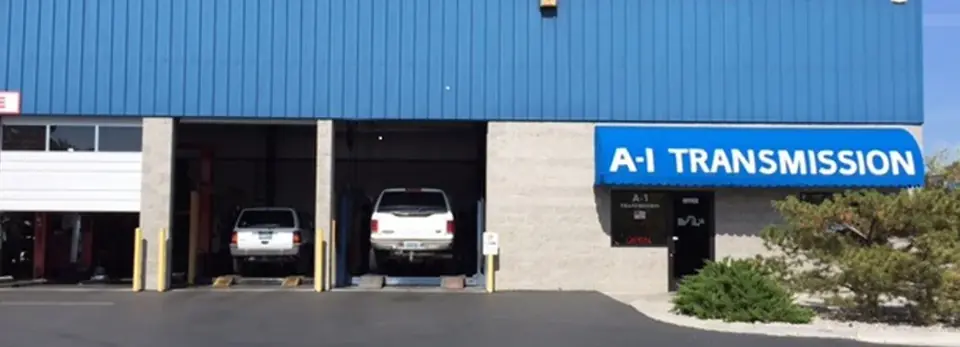
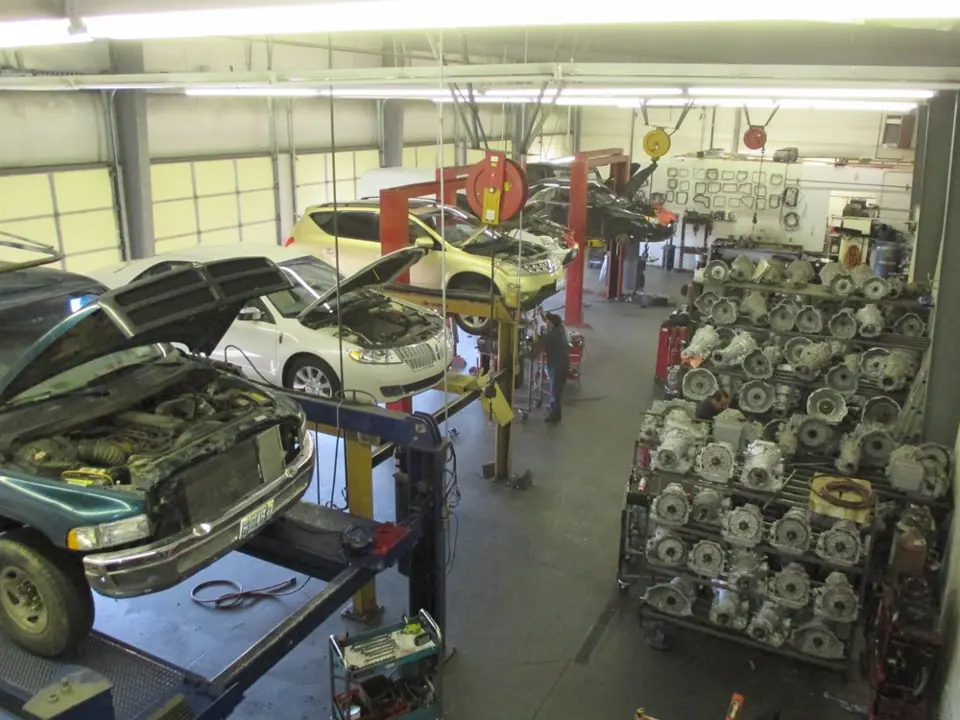
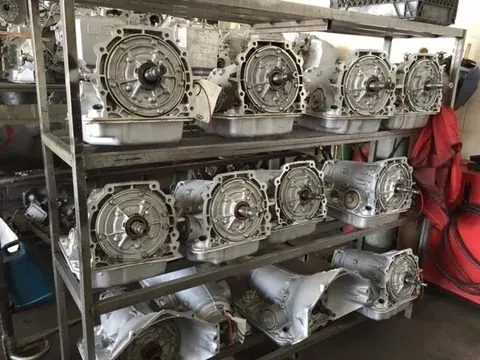

Google reviews
What drivers say
★★★★★A-1 Transmission is my go to Transmission shop. I’ve been going to them for years now. These guys don’t mess around when it comes to Transmissions they know their stuff. I highly recommend A-1 Transmission, if you want the job done right the first time.
★★★★★Our transmission went out on a Sunday, we called A1 on Monday morning, they got us in that day. Had to rebuild the transmission, and they were done with our truck on Thursday.
Answers
Transmission repair questions
Still have a question? Call (775) 829-1333 during shop hours. More answers are on the questions page.
How do I know if I need a transmission repair or just fluid?
You often cannot tell from the driver's seat. Low or worn fluid can cause slipping and rough shifts, and so can internal wear. The shop looks at the fluid level and condition as part of the diagnosis and tells you which it is.
Can a transmission be repaired without taking it out?
Some repairs, such as a leaking seal, a sensor or a solenoid, can be done with the transmission in the vehicle. Internal wear usually means removing it. The diagnosis shows which applies.
Does the shop repair both automatic and manual transmissions?
Yes. The shop works on automatic and standard (manual) transmissions, clutches and transfer cases.
Do I need an appointment?
Appointments are suggested, and walk-ins are welcome Monday to Friday from 7:30 am to 5:30 pm. Calling first helps the shop plan for your vehicle.
Services
Other work at the shop
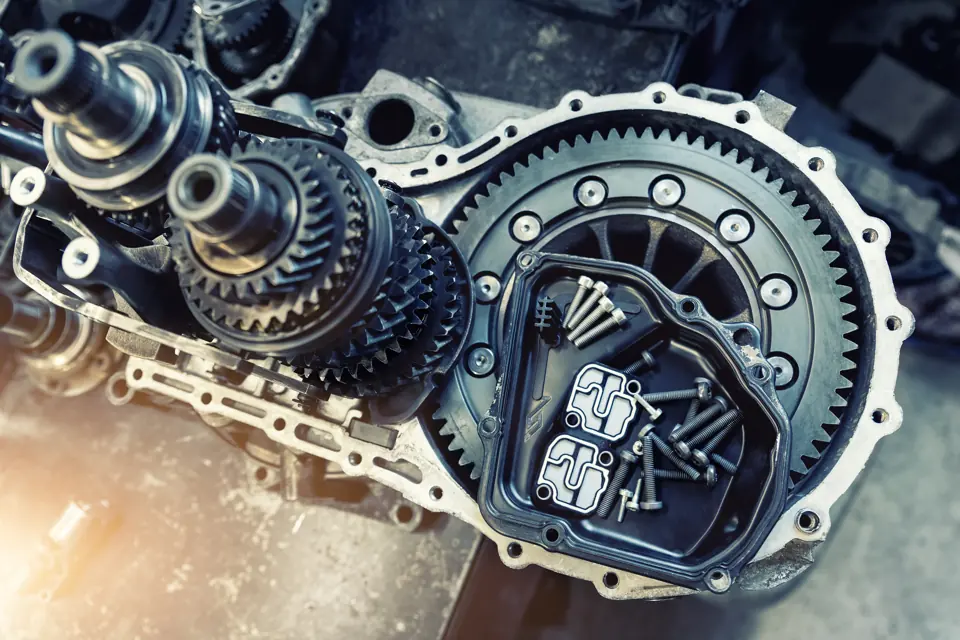 Transmission rebuilds and overhaulsA-1 Transmission rebuilds and overhauls automatic and standard transmissions in Reno, for cars, trucks, RVs and 4x4s.
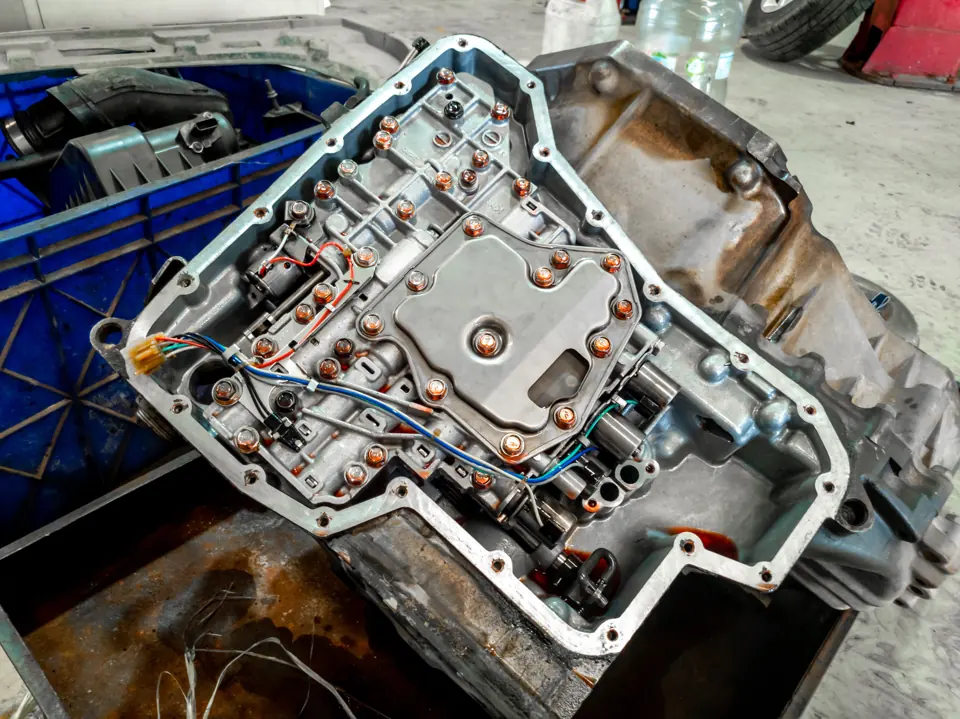 Automatic transmission repairAutomatic transmission repair covers the gear sets, clutches, valve body, torque converter and electronics that shift for you.
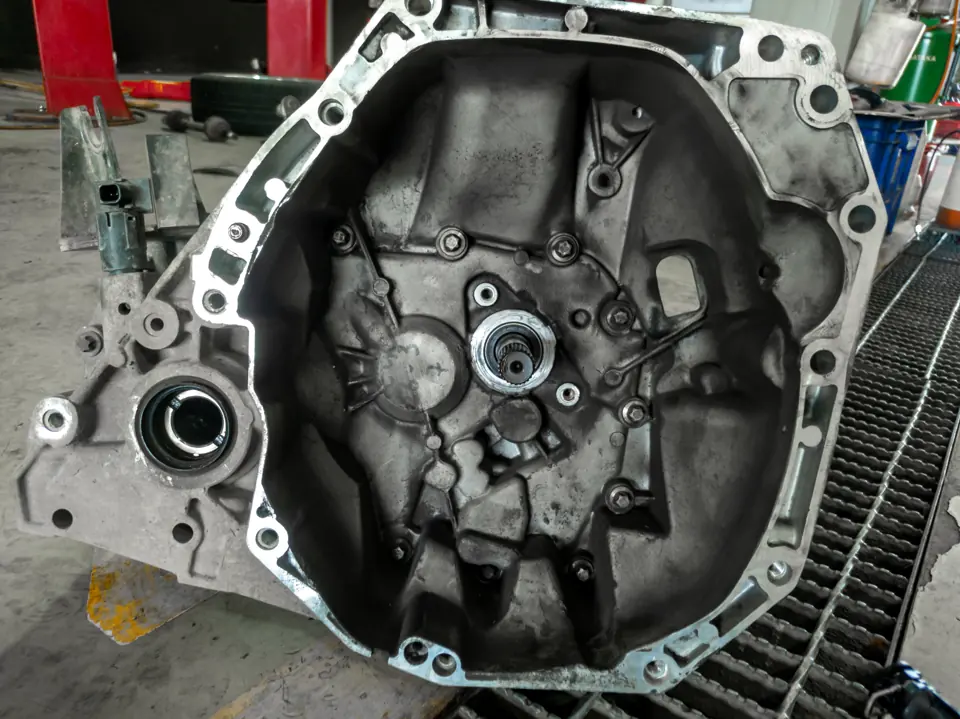 Standard (manual) transmission repairA standard, or manual, transmission is the gearbox you shift yourself with a clutch pedal and a shifter.
 Clutch repair and replacementA clutch is the wear item between your engine and a manual gearbox.
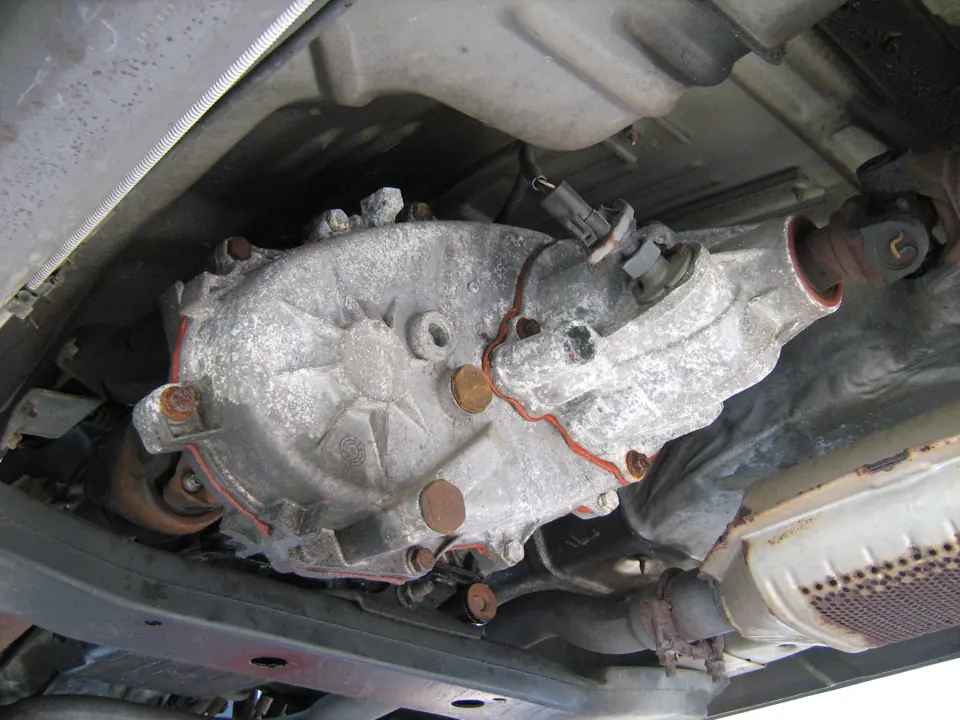 Transfer case repairA transfer case is the gearbox that splits power between the front and rear axles in a four-wheel-drive vehicle.
 Transmission diagnosisTransmission diagnosis is the step where a mechanic finds out what is actually wrong before choosing a repair.
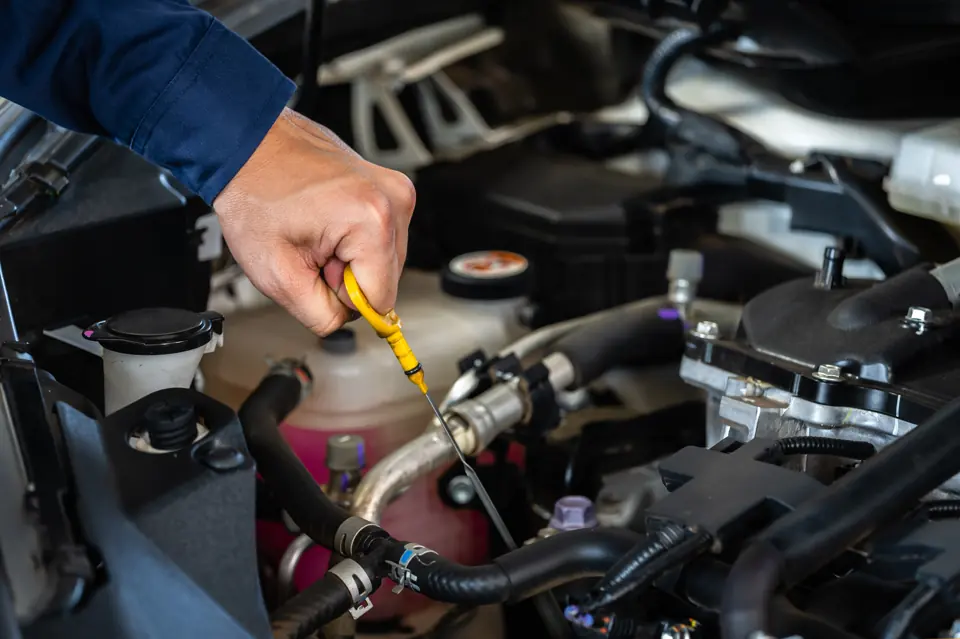 Transmission fluid serviceTransmission fluid service replaces the worn fluid that cools, lubricates and operates your transmission.
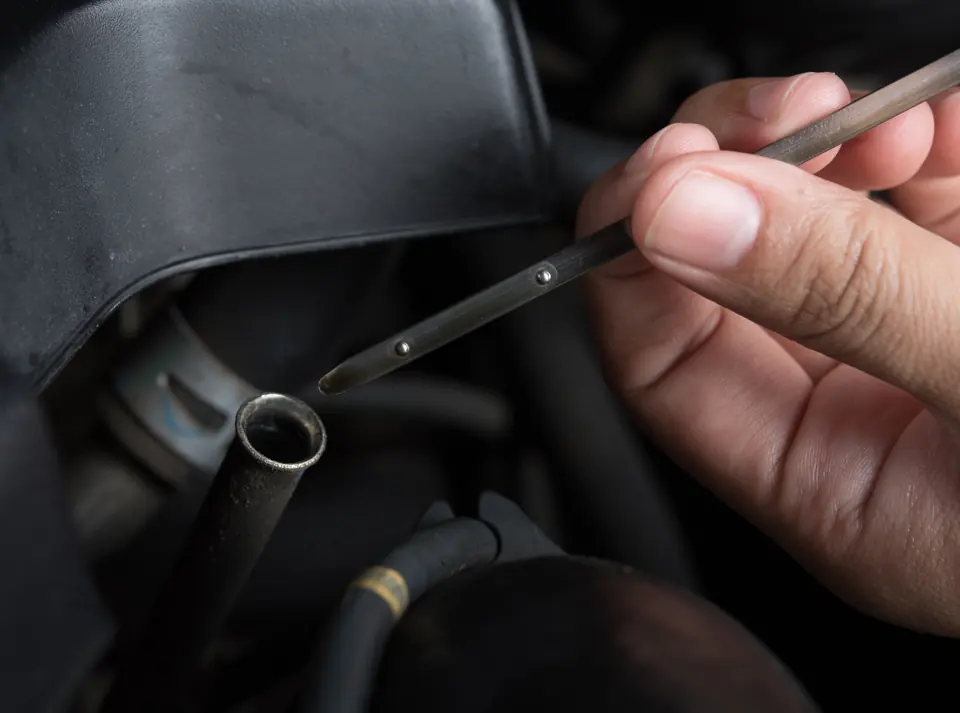 Oil changesAn oil change replaces the engine's used oil and oil filter with fresh ones to keep the engine lubricated and clean.
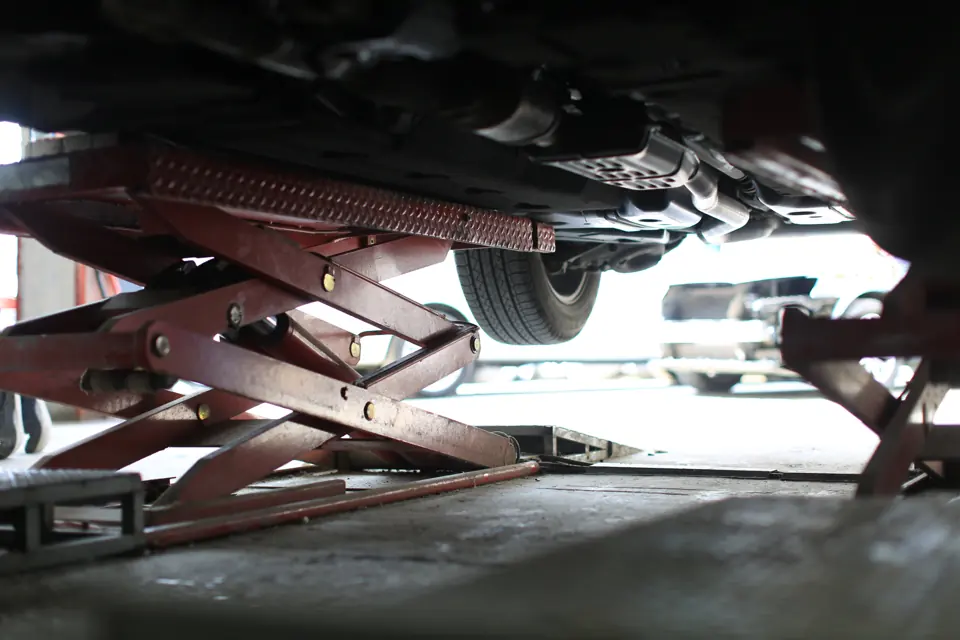 Auto repair and maintenanceA-1 Transmission in Reno is a transmission shop that also does general auto repair and maintenance for cars, trucks and SUVs.