

Photo: Leodude1987, CC BY-SA 3.0, via Wikimedia Commons
- Symptom guide
- Updated October 18, 2026
Shudder or vibration at steady speed
Torque converter shudder is a vibration, much like driving over rumble strips, that shows up at a steady cruising speed when the converter's lock-up clutch engages. The common causes are old or wrong-type fluid, a worn converter clutch, and engine misfires or worn mounts that feel the same.
Closed now. Opens Monday at 7:30 am.
Drive in during shop hours
If it drives normally between shudders, bring it in during shop hours and call first. Skip towing and long highway trips until it has been looked at, and stop sooner if the shudder is violent, a light flashes or it begins to slip.
It still drives normally most of the time. Call first so the shop knows it is coming, then bring it in Monday to Friday, 7:30 am to 5:30 pm.
Common causes
- Torque converter clutch shudderThe lock-up clutch grips and slips in rapid pulses as it engages, producing a vibration. Friction surfaces that are worn or glazed make it worse.
- Old or wrong-type fluidThe lock-up clutch relies on fluid with the right friction qualities. Fluid that has aged or does not match the specification often shows up first as shudder.
- Engine misfire or worn mountsA cylinder that misfires at light load, or a mount that lets the engine rock, produces a shake easily mistaken for the transmission.
- A lock-up solenoid or pressure faultThe solenoid controlling the lock-up clutch can apply it unevenly. It often stores a torque converter clutch circuit code, such as P0740.
The vibration tends to live inside a narrow speed range, often a band somewhere in the 30s to 50s mph, and it goes away when you press the throttle harder or let off. That pattern is a clue.
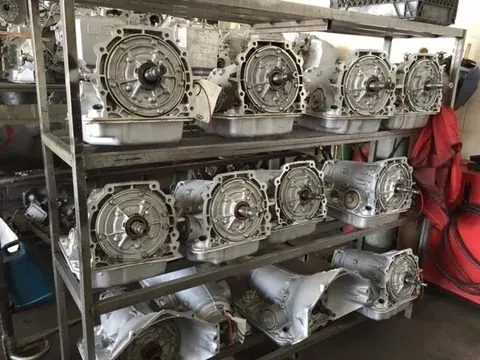
At a glance
- It shows up at a steady speed and fades when you change throttle
- The lock-up clutch engaging is the usual trigger
- Fluid type and condition matter a great deal here
- Engine misfires and mounts can feel the same
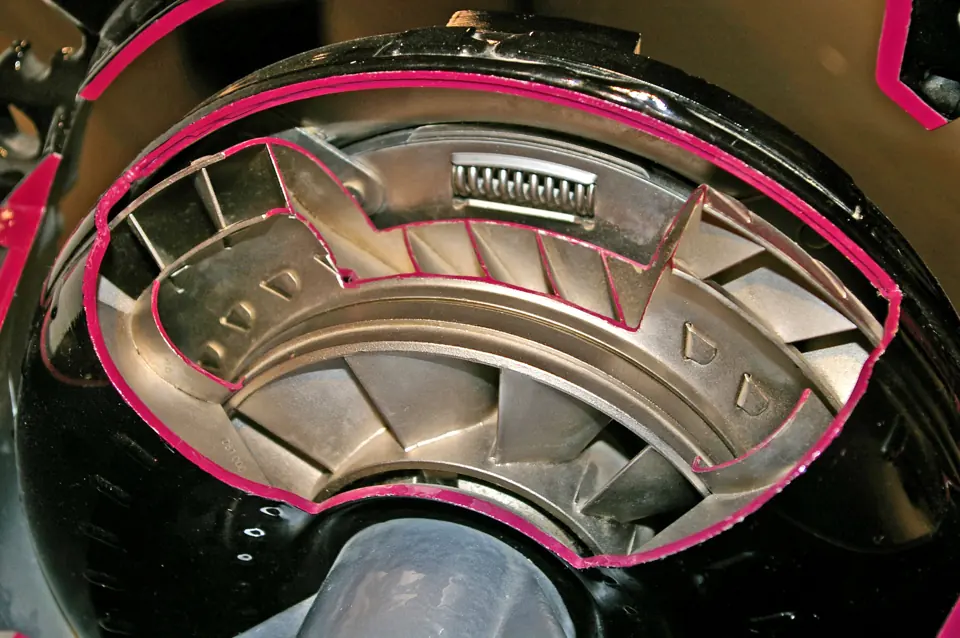
What lock-up does and why it can shake
At low speeds a torque converter lets the engine and transmission turn at different rates through fluid. At cruising speed, many automatics apply a lock-up clutch to join the two directly, which saves heat and efficiency. If that clutch engages in jerky pulses instead of smoothly, you feel a shudder. The what a torque converter does guide covers the parts.
Transmission shudder or engine shake?
| Clue | Leans toward the transmission | Leans toward the engine or driveline |
|---|---|---|
| Speed window | Narrow band, repeatable | Rises with engine speed in every gear |
| Throttle | Fades with firm throttle or lift-off | Worse under load or at idle |
| Light on the cluster | Torque converter clutch code | Misfire or flashing check engine light |
| Rev change in Neutral | No effect | The shake follows engine RPM |
Fluid is the first suspect
Because the lock-up clutch is sensitive to fluid friction qualities, the shop usually looks at what is in the transmission before replacing anything. The transmission fluid types guide explains why one fluid does not fit every vehicle, and the fluid service page describes the service.
What the mechanic does
A road test comes first, to find the speed window and see whether the shudder follows the lock-up. A scan for converter clutch and misfire codes follows. If fluid and engine are cleared, the focus moves to the converter itself and the solenoid that controls it.
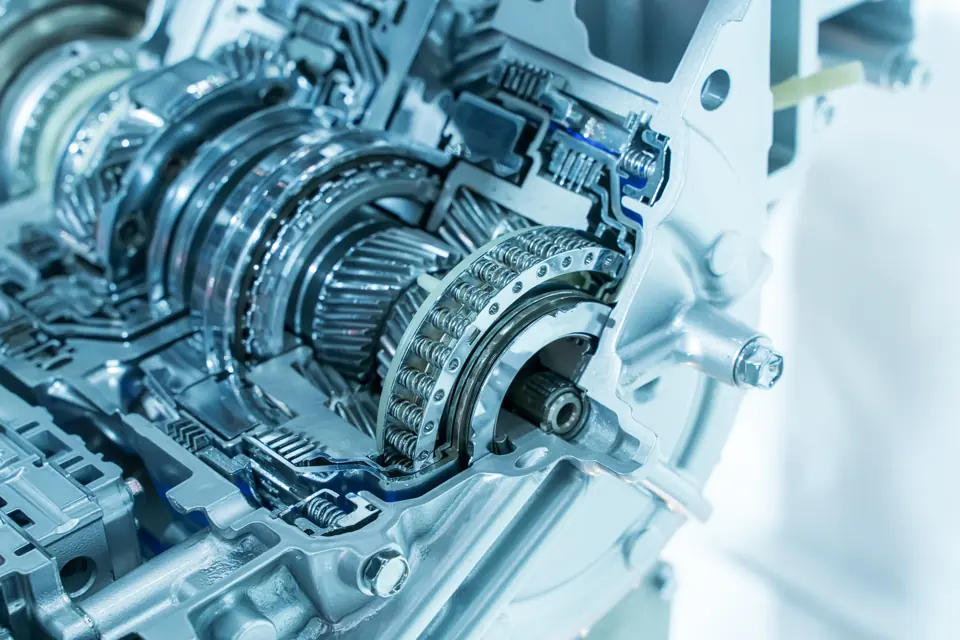
Why not to wait
A mild shudder that repeats every drive can wear the clutch surface faster, and wear creates debris that circulates through the whole unit. Addressing it early can keep the repair small. If you tow regularly, tell the shop; heat makes the problem worse.
Keep reading
Related pages
Services
Work that fixes this
 Transmission diagnosisTransmission diagnosis is the step where a mechanic finds out what is actually wrong before choosing a repair.
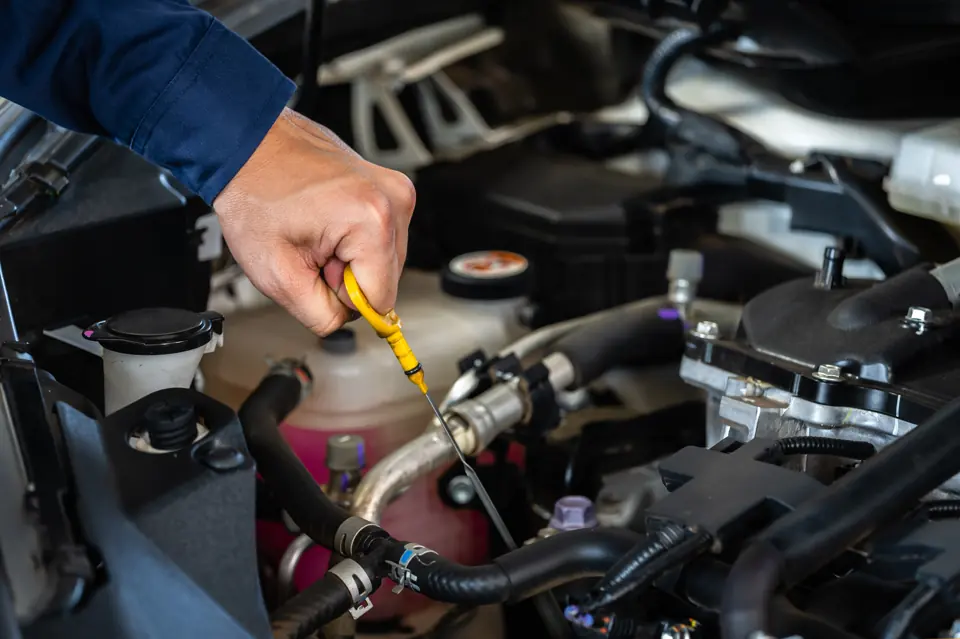 Transmission fluid serviceTransmission fluid service replaces the worn fluid that cools, lubricates and operates your transmission.
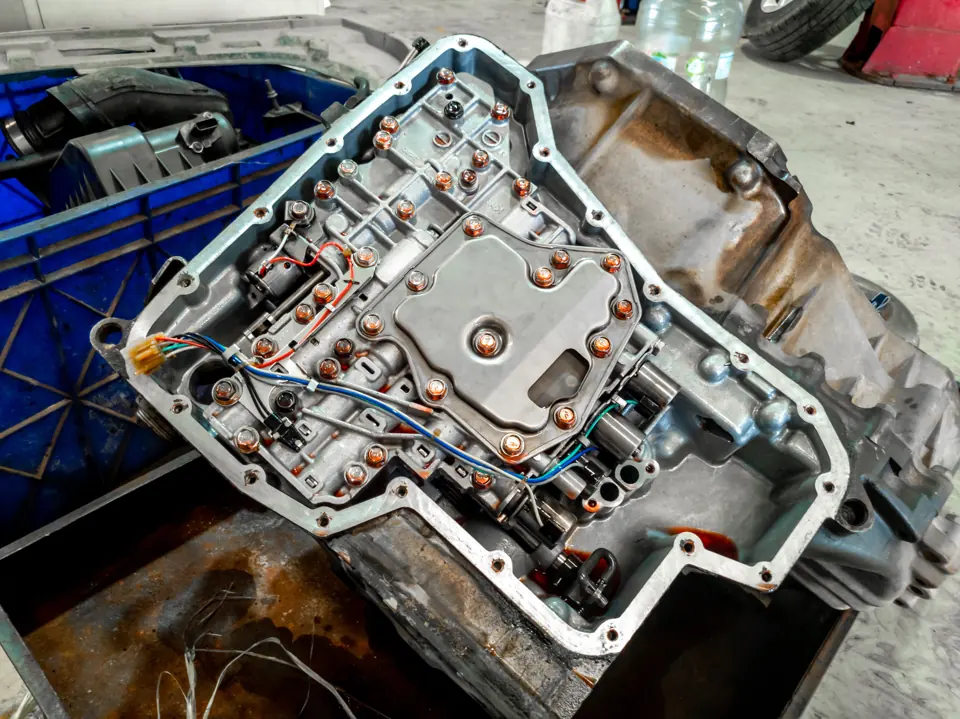 Automatic transmission repairAutomatic transmission repair covers the gear sets, clutches, valve body, torque converter and electronics that shift for you.
Symptoms
Other symptoms
- Limp mode / stuck in one gear
- 4WD noise or 4WD not engaging (transfer case)
- Clutch slipping, grabbing or hard to press
- Transmission slipping
- Hard, harsh or late shifting
- Delay when shifting into Drive or Reverse
- Whining, grinding or clunking
- Transmission fluid leak (red or brown fluid)
- Burning smell
- Check engine light and transmission codes (P0700-P07xx)
- Won't go into gear
- Transmission overheating
- Transmission symptoms
Answers
Shudder or vibration (torque converter) questions
Still have a question? Call (775) 829-1333 during shop hours. More answers are on the questions page.
What does torque converter shudder feel like?
A rhythmic vibration or rumble, often at a steady speed, similar to rolling over rumble strips. It usually fades when you change speed or throttle.
Can a fluid change fix a shudder?
Sometimes, when old or wrong fluid is the cause. If the clutch surface is already worn, fluid alone may not cure it. A diagnosis shows which.
Is it my transmission or my engine?
Shake that follows engine speed in any gear leans toward the engine; shake at one speed window leans toward the converter. A road test tells.
Is it safe to drive with a shudder?
Usually for short trips, yes, but it is not something to leave alone. Call first and avoid towing until it has been checked.