

- Symptom guide
- Updated October 18, 2026
Limp mode or stuck in one gear
Limp mode is a protective setting in which the computer holds the transmission in one gear, often second or third, and limits power after it detects a fault. The cause is usually an electrical problem such as a sensor, solenoid or wiring, though low fluid or an internal fault can trigger it too.
Closed now. Opens Monday at 7:30 am.
Call before you drive it far
Limp mode is meant to get you to a safe place or a shop, not through a long trip. Drive slowly and gently, avoid the highway and loads, and call before going far; if it will not move normally, plan a tow.
Short, gentle trips only. Call (775) 829-1333 and describe what it is doing before a highway drive or a long trip; a problem like this can get worse with heat and load.
Common causes
- A sensor faultSpeed, range or fluid temperature sensors that give impossible readings make the computer fall back on a safe gear.
- A shift or pressure solenoid faultA solenoid that sticks or loses electrical continuity prevents shifts, so the computer holds the gear it can still control.
- Wiring or connector troubleA chafed harness, corroded connector or low battery voltage can interrupt the signals that command the transmission.
- Low fluid or an internal fault the computer detectedSlipping, over-temperature or a ratio that does not match can trigger the protective mode as well.
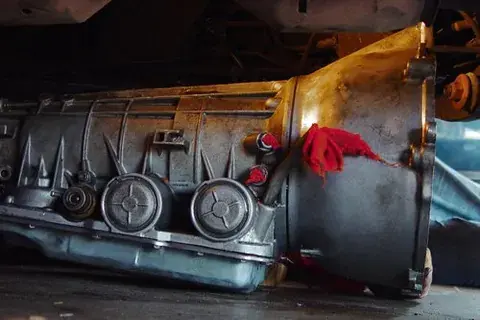
The vehicle suddenly feels asleep: it will not shift past one gear, acceleration is weak, and a warning light comes on. The computer has decided that driving normally would risk damage and has chosen a safe fallback.
At a glance
- The computer chose a fixed gear to protect the transmission
- Most triggers are electrical, so codes matter
- Turning the engine off may reset it, but the fault is still there
- A light is usually on, though not always at first
What limp mode feels like
- Stuck in one gear, often second or third, with no upshifts.
- Weak acceleration and revs that rise high on the highway.
- A transmission warning or check engine light on the instrument cluster.
- Harsh engagement, because pressure is set high on purpose.
- Sometimes a message on the display, depending on the vehicle.
Why the computer does it
The transmission computer compares what it commanded with what the sensors report. When they disagree and it cannot tell why, it simplifies the job: it uses fewer solenoids, sets a fixed pressure and picks a gear that works for moving slowly. The valves in a modern automatic are run by solenoids that the computer controls, so a break in that chain is a common trigger.
Does turning it off reset it?
Sometimes the mode clears after a restart, and the vehicle shifts normally until the fault returns. Do not treat that as a fix. The computer has stored a fault, and the fault is usually still there. Write down any codes; the check engine light and transmission codes page explains how.
How far can you drive in limp mode?
Far enough to get somewhere safe, or to the shop on a weekday, at low speed. A long highway trip holds the engine at high revs in a low gear, which makes heat; towing makes it worse. Reno's July afternoons, normal high 93.9 F (NOAA), are a poor time to test it.

What the mechanic does
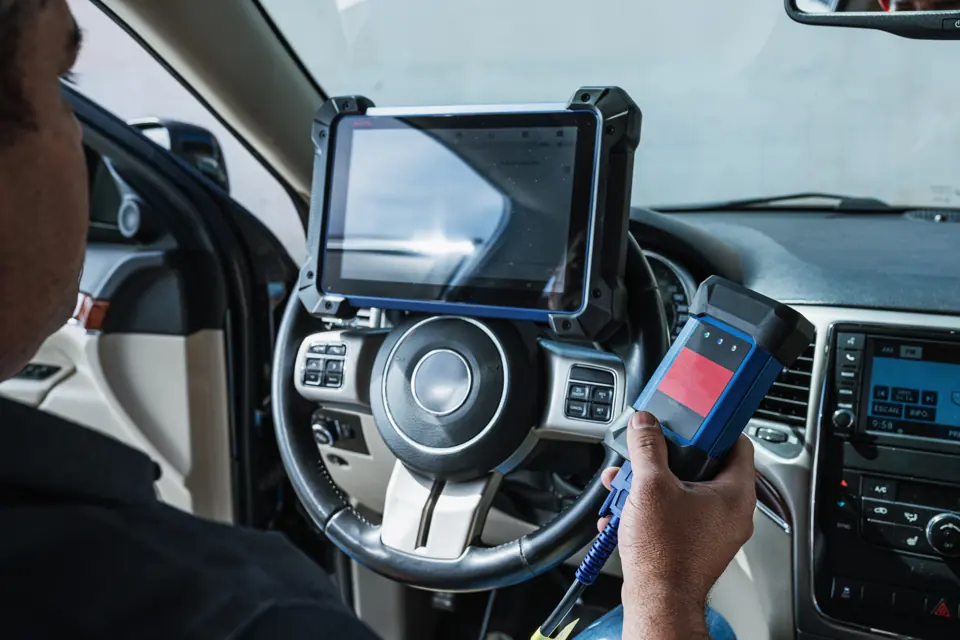
A scan comes first, since the stored codes usually point at the circuit that set the mode. Then the shop looks at fluid, wiring and the connectors at the transmission. Often the repair is a sensor, solenoid or harness; sometimes the computer was reacting to something real inside.
Keep reading
Related pages
Services
Work that fixes this
 Transmission diagnosisTransmission diagnosis is the step where a mechanic finds out what is actually wrong before choosing a repair.
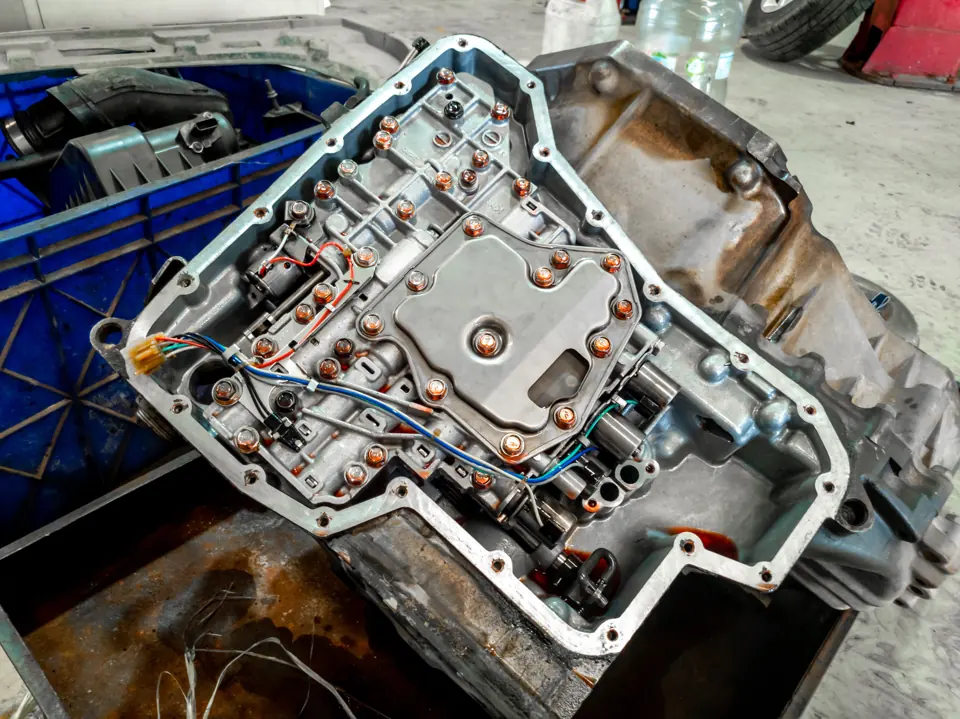 Automatic transmission repairAutomatic transmission repair covers the gear sets, clutches, valve body, torque converter and electronics that shift for you.
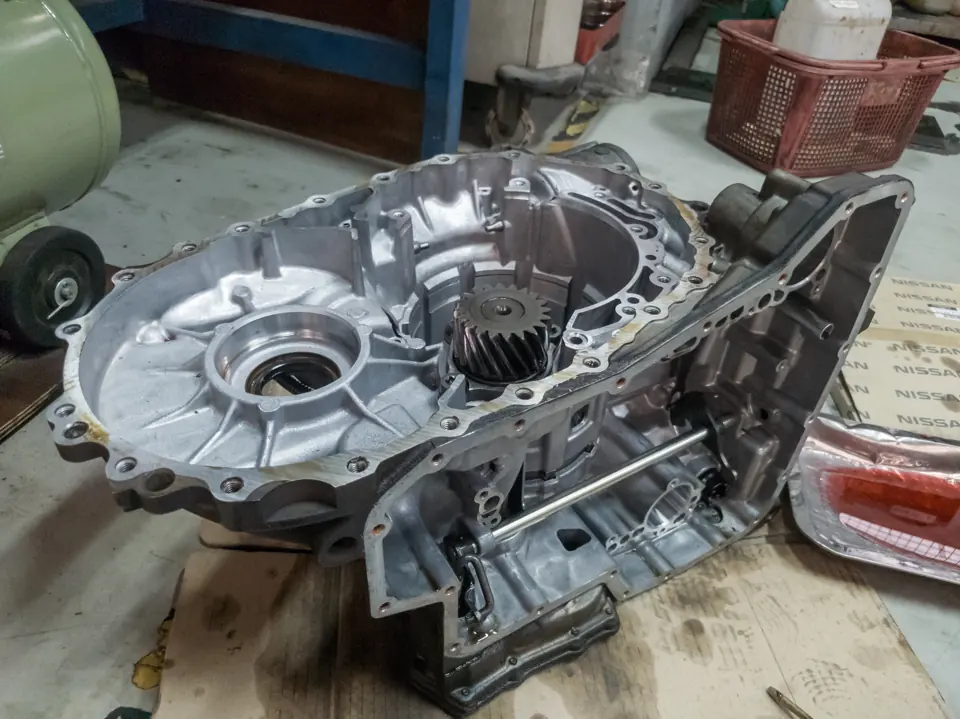 Transmission repairTransmission repair means finding what is wrong inside or around the transmission and fixing that part.
Symptoms
Other symptoms
- 4WD noise or 4WD not engaging (transfer case)
- Clutch slipping, grabbing or hard to press
- Transmission slipping
- Hard, harsh or late shifting
- Delay when shifting into Drive or Reverse
- Whining, grinding or clunking
- Transmission fluid leak (red or brown fluid)
- Burning smell
- Check engine light and transmission codes (P0700-P07xx)
- Won't go into gear
- Transmission overheating
- Shudder or vibration (torque converter)
- Transmission symptoms
Answers
Limp mode / stuck in one gear questions
Still have a question? Call (775) 829-1333 during shop hours. More answers are on the questions page.
What is limp mode in a car?
A fail-safe setting where the computer limits power and holds a fixed gear after it senses a problem, to protect the transmission and get you to a safe spot.
Can I drive in limp mode?
Briefly and gently, to a safe place or the shop. It is not meant for long trips, towing or highway speed.
Will limp mode go away by itself?
It may reset after a restart, but if the fault is real it comes back. The stored codes are the thing to read.
Does limp mode mean I need a new transmission?
Not usually. Many cases are a sensor, solenoid or wiring problem. A diagnosis shows what is behind it.