

- Symptom guide
- Updated October 18, 2026
Transmission slipping
A transmission is slipping when the engine revs up but the vehicle does not speed up to match, or it seems to drop out of gear for a moment. The most common causes are low or worn-out fluid, worn clutch packs and pressure or solenoid faults.
Closed now. Opens Monday at 7:30 am.
Call before you drive it far
Short, gentle trips only until a mechanic hears what it is doing. Slipping makes heat, and heat wears the clutches faster, so a long highway run or a towing trip can turn a small problem into a rebuild.
Short, gentle trips only. Call (775) 829-1333 and describe what it is doing before a highway drive or a long trip; a problem like this can get worse with heat and load.
Common causes
- Low fluidA leak at a pan gasket, seal or cooler line lets the level drop until the pump draws air and pressure falls. The fix can be as small as a seal and a refill.
- Old or burnt fluidFluid that is dark and smells burnt has lost the friction properties the clutches rely on. It is also a sign the transmission has been running hot.
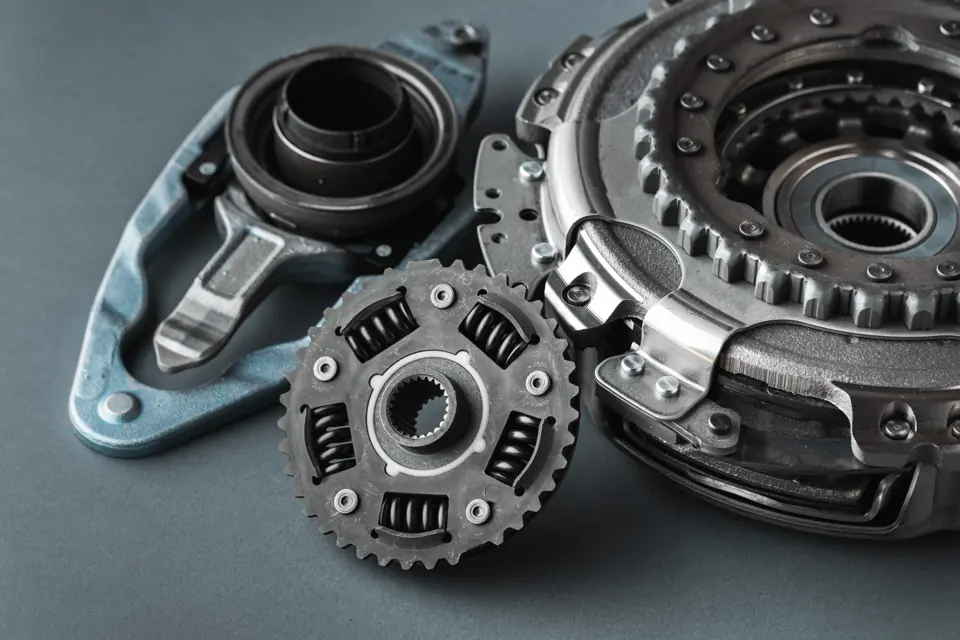
- Worn clutch packs or bandsThe friction material inside an automatic wears with miles and heat. When it is thin, the clutches cannot hold under load. This is internal wear and usually means an overhaul.
- Pressure control or shift solenoid faultsElectronic transmissions use solenoids to set line pressure and select gears. A weak solenoid or a wiring fault can cause slipping and usually stores a code such as P0730 or P0750.
- Torque converter problemsA converter clutch that does not lock up can feel like a slip at highway speed, often with a shudder.
Slipping usually starts small: a flare in RPM on the 2-3 shift, a lazy take-off from a stop, or a gear that lets go on a hill. Drivers often notice it first in summer, when the fluid runs hottest; Reno's normal July high is 93.9 F (NOAA).
What the mechanic checks first
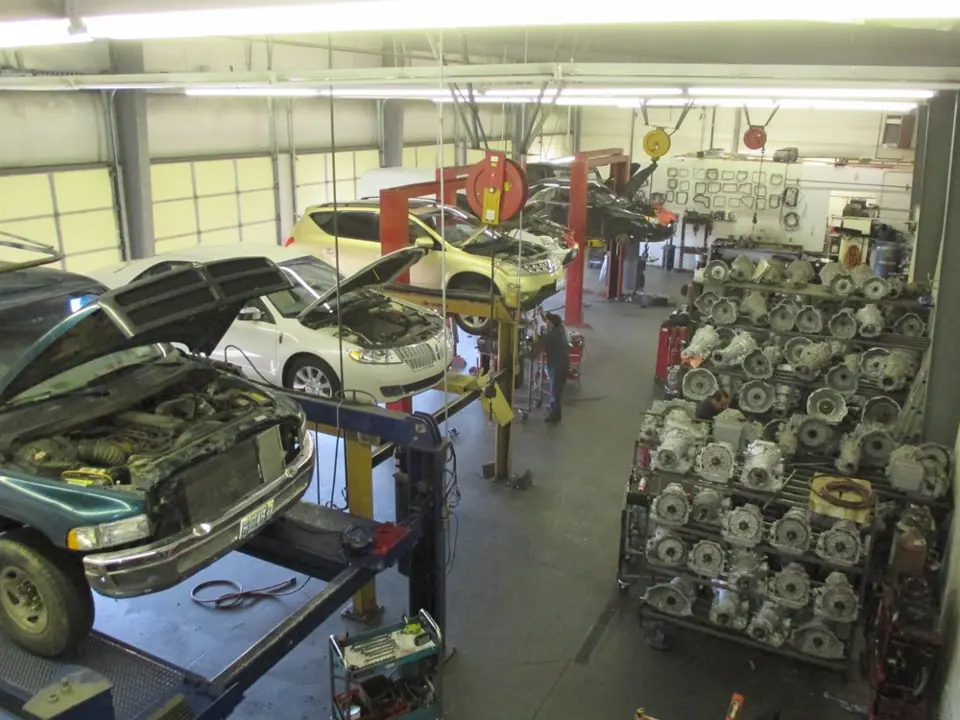
The shop starts with the simple things: fluid level and condition, leaks, and any stored codes. Then a road test to feel where it slips, cold and warm. Only when those point inside the transmission does a rebuild come up. In the shop's words, "We will diagnose the situation to determine the kind of service you need."
Slipping in a manual transmission
In a car with a clutch pedal, slipping usually means the clutch itself: the engine revs climb when you accelerate in a high gear, often with a burning smell. See clutch slipping or grabbing.
Can I keep driving it?
Short, gentle trips only, and call first; heavy loads, towing and long climbs are out. If it slips in every gear, will not move, or smells burnt, stop and plan a tow. The driving with a slipping transmission guide goes into more detail.
Keep reading
Related pages
Services
Work that fixes this
 Transmission diagnosisTransmission diagnosis is the step where a mechanic finds out what is actually wrong before choosing a repair.
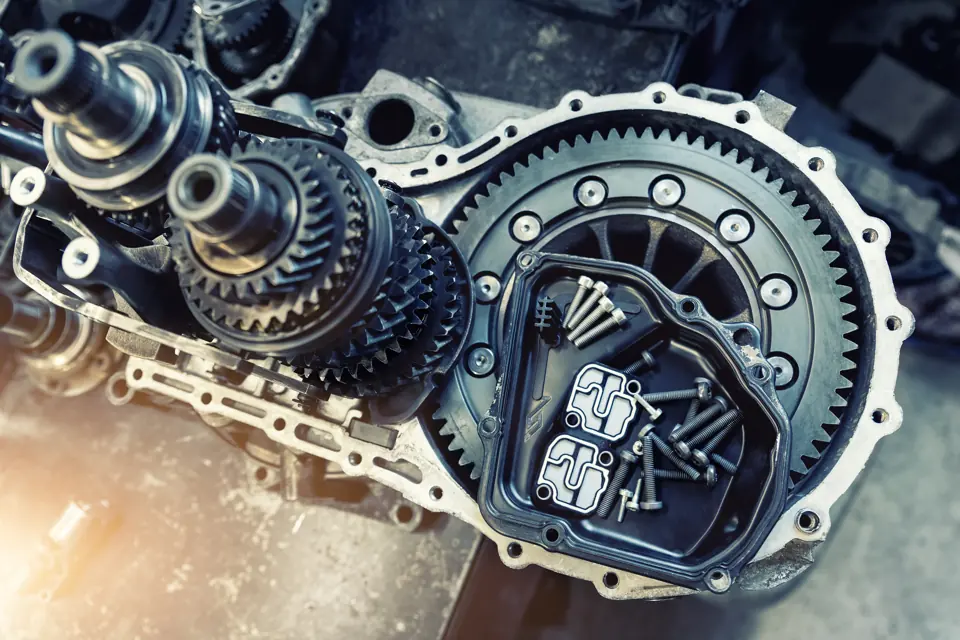 Transmission rebuilds and overhaulsA-1 Transmission rebuilds and overhauls automatic and standard transmissions in Reno, for cars, trucks, RVs and 4x4s.
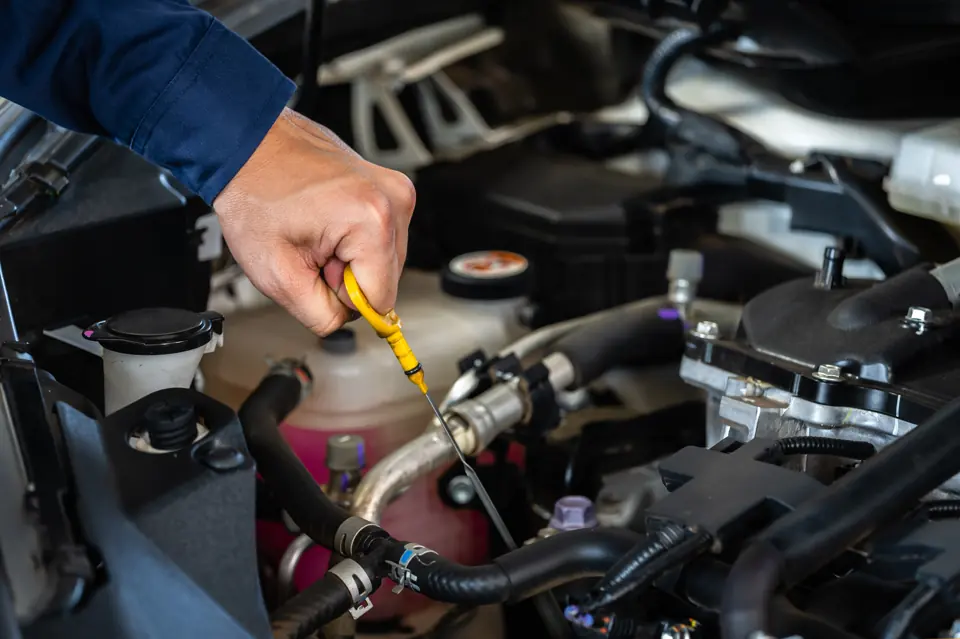 Transmission fluid serviceTransmission fluid service replaces the worn fluid that cools, lubricates and operates your transmission.
Symptoms
Other symptoms
- Hard, harsh or late shifting
- Delay when shifting into Drive or Reverse
- Whining, grinding or clunking
- Transmission fluid leak (red or brown fluid)
- Burning smell
- Check engine light and transmission codes (P0700-P07xx)
- Won't go into gear
- Transmission overheating
- Shudder or vibration (torque converter)
- Limp mode / stuck in one gear
- 4WD noise or 4WD not engaging (transfer case)
- Clutch slipping, grabbing or hard to press
- Transmission symptoms
Answers
Transmission slipping questions
Still have a question? Call (775) 829-1333 during shop hours. More answers are on the questions page.
Can low fluid make a transmission slip?
Yes. Low fluid is one of the most common causes, and it usually means there is a leak somewhere. Topping it up without finding the leak only buys time.
Does slipping always mean a rebuild?
No. Fluid, leaks, solenoids and sensors can all cause slipping. A diagnosis tells which it is before anyone recommends a rebuild.
Why does it slip more in summer?
Hot fluid is thinner and the clutches are already working hard. A transmission on the edge often shows it first on a hot day or while towing.