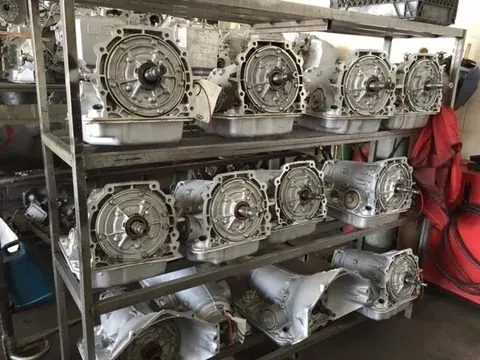
Automatic transmission fluid is dyed so you can tell it from engine oil. Over time it darkens as it works. A glance at the dipstick on a white paper towel gives you useful clues, as long as you also know what the color cannot tell you.
At a glance
- New fluid is red or green and has little smell
- Darkening is normal; black plus a burnt smell is not
- Milky pink needs prompt attention
- Color never replaces the owner's manual schedule

What does each color usually mean?
| Color and smell | What it usually points to |
|---|---|
| Bright red or green, little smell | Fresh fluid in good condition |
| Light brown or darker red | Aging fluid; check the interval in the owner's manual |
| Dark brown or black, burnt smell | Fluid that has been overheated or is well past its service life |
| Pink and milky | Possible coolant mixing in through the transmission cooler |
| Bubbles or foam | Possible overfilling or air getting into the fluid |
| Glitter or metal flecks | Wear material in the fluid; a mechanic should look |
Why is it dyed in the first place?
Automatic transmission fluid is usually red or green so it is easy to tell from motor oil and other fluids, and that early GM fluid, the same color as engine oil, led to the first red dye requirement. The practical benefit today is that a puddle under the car is easy to identify: red or brown and a little oily usually means transmission or power steering, which the fluid leak page covers.
How do I read it properly?
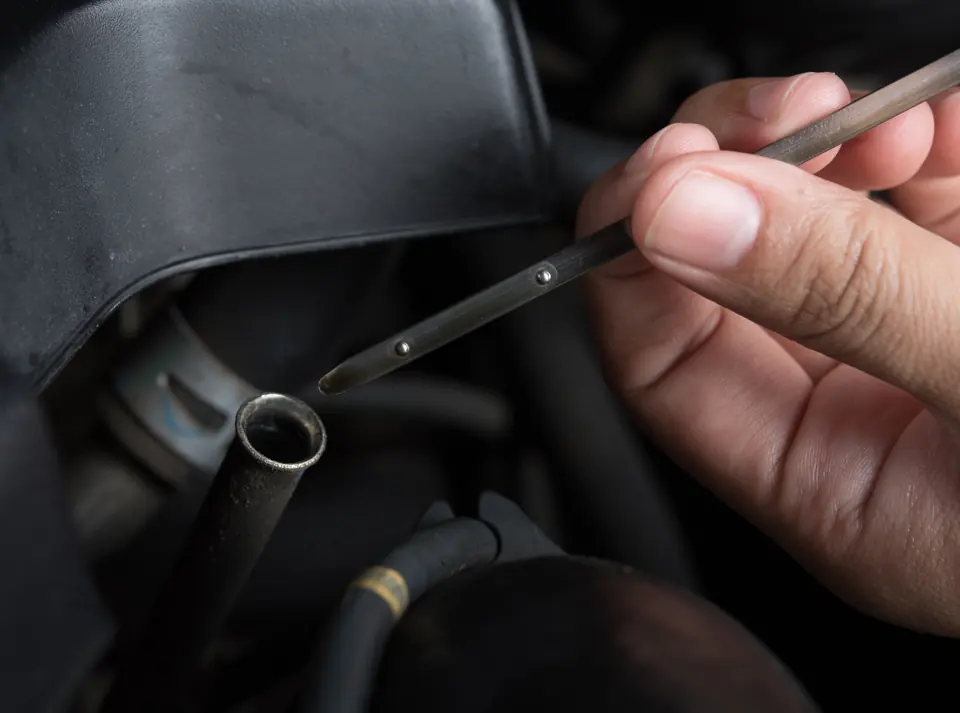
Check fluid warm, at the level and in the position your manual specifies, and put a drop on a clean white paper towel. Look at the color at the edge of the spot, rub it between your fingers to feel for grit, and smell it. The checking guide walks through the steps. Many newer vehicles are sealed without a dipstick; in that case a shop checks the fluid at a plug.

What can color not tell you?
Most fluids darken with use, so dark fluid alone may mean the change is overdue, not that something has failed. Fluid can also look clean while the transmission slips because of worn parts or a pressure fault. The manufacturer's service interval is a more reliable measure of fluid life than appearance, so use the interval guide alongside color.
When should I call?
Call if the fluid is black or smells burnt, if it looks milky, if you see metal, or if the color is fine but the vehicle slips or shifts hard. A burnt smell with other symptoms ties to the burning smell page.