

Neither is better for everyone. A shop that handles both, sees the pattern: manuals tend to show their age at the clutch, and automatics in the fluid and hydraulics.
At a glance
- Manual: driver controls a friction clutch and every shift
- Automatic: a torque converter and hydraulics do it
- Manual gear oil changes less often than automatic fluid
- Clutch wear depends heavily on driving habits
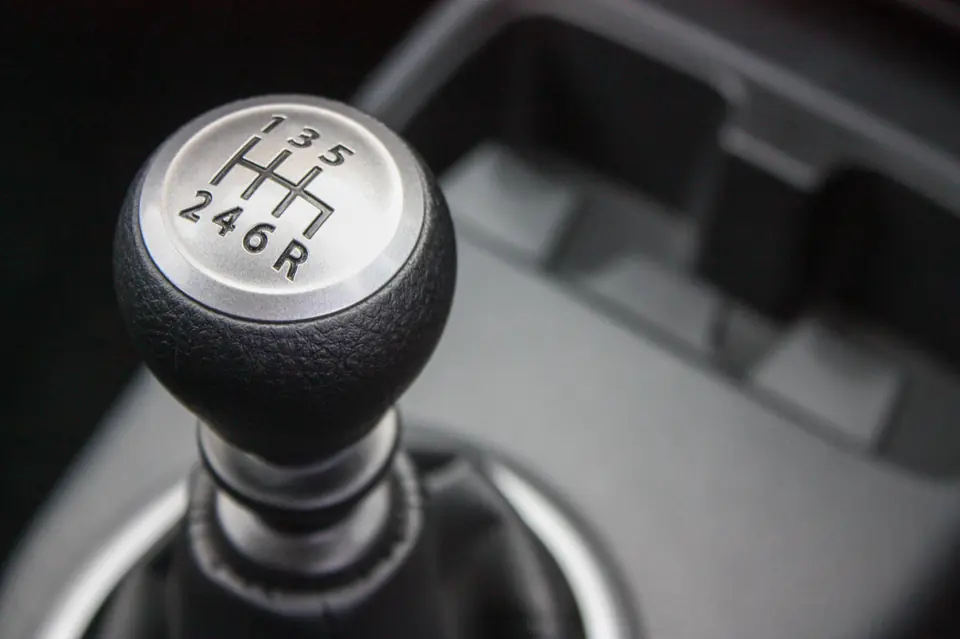
How does a manual work?
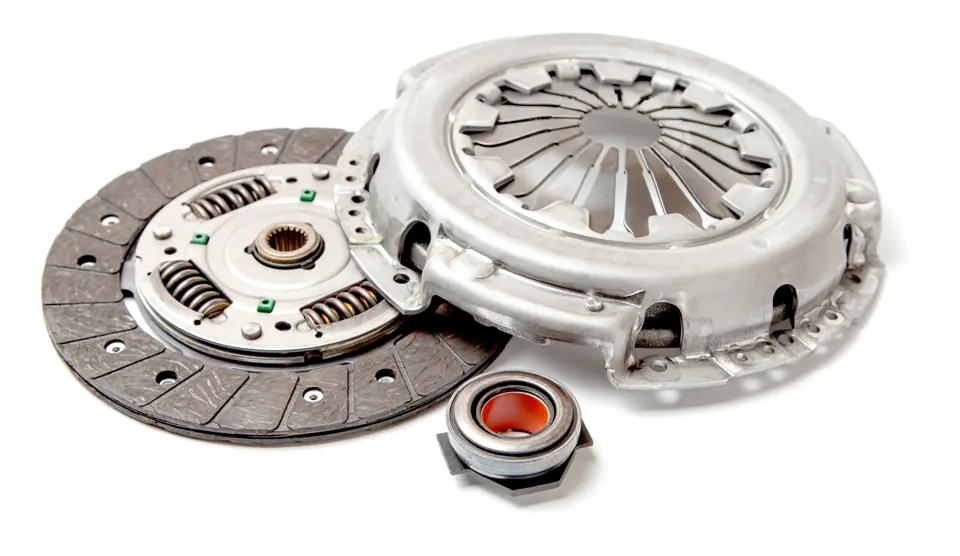
A manual transmission has a friction clutch between the engine and gearbox. Press the pedal and the engine disconnects so you can change gears; release it and the engine reconnects. Inside, most modern manuals use synchronizer rings on forward gears to match speeds so shifts go in smoothly. The driver can pick any gear at any time, which gives control and is why many enthusiasts and truck drivers like them.
How does an automatic differ?
An automatic replaces the pedal with a torque converter and the lever with a computer-controlled hydraulic system that applies clutch packs inside planetary gearsets. Most people find it easier in traffic and on hills. The how a transmission works guide goes through the parts.
What wears on a manual?
The clutch is a wear item. Engineering references note that a skilled driver slipping the clutch briefly on a hill start causes negligible wear, but habits such as riding the pedal, towing heavy loads from a stop, or big speed mismatches between shifts speed it up and also wear the synchronizers. Symptoms include a slipping clutch that lets the engine rev without speed, a high or soft pedal, grabbing, and a grinding gear. See clutch slipping, grabbing or hard to press, clutch repair and manual transmission repair.
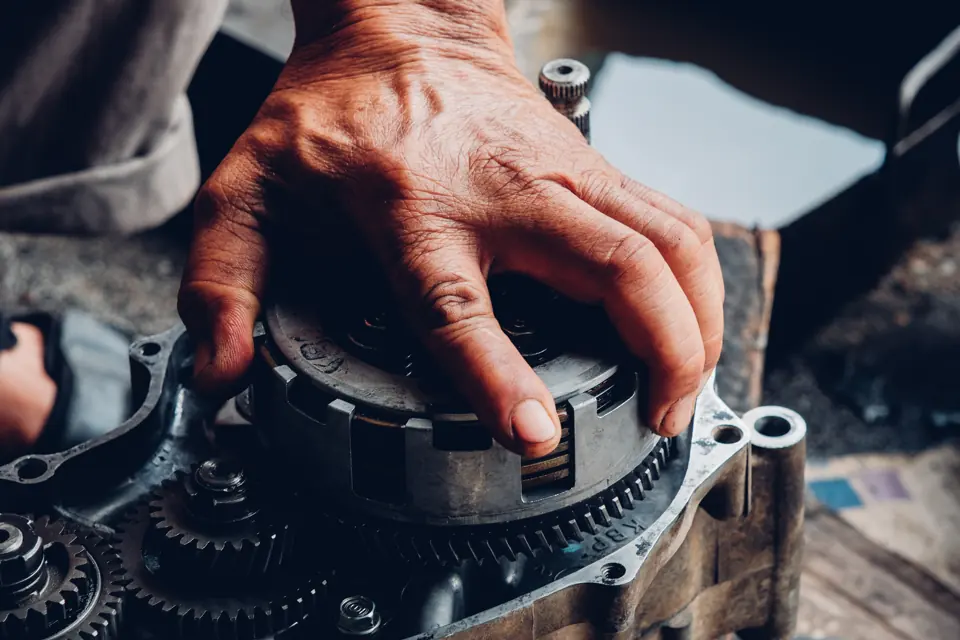
What wears on an automatic?
Fluid, friction material on the internal clutches, seals and solenoids, and heat. The warning signs are slipping, harsh or late shifts, delay when selecting Drive or Reverse, and a shudder. Start with automatic transmission repair and the slipping page.
How does fluid care compare?
A manual uses gear oil, or in some cases engine oil, and it is changed periodically, though less often than automatic fluid. An automatic's fluid also works as the hydraulic medium, so its condition matters more to shifting. Both follow the schedule in the owner's manual; the interval guide explains how to read it.
