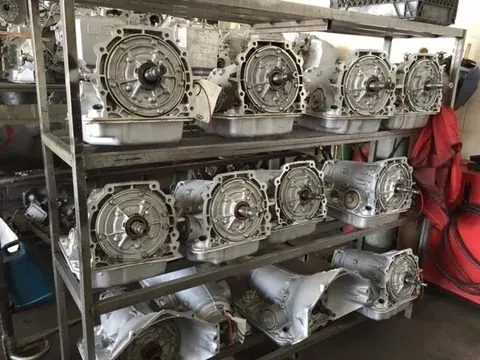
Anyone towing a boat to Tahoe, a camper to the Sierra or a horse trailer up a grade is asking the transmission to do heavy work in the hottest part of the year. Here is what happens and what to do about it.
At a glance
- Heat is the main enemy of fluid and clutches
- NOAA normals: Reno July average high 93.9 F, August 92.1 F
- Mount Rose Highway tops out at 8,911 feet
- Check the fluid and the cooler before the season, not after
What does heat do to a transmission?
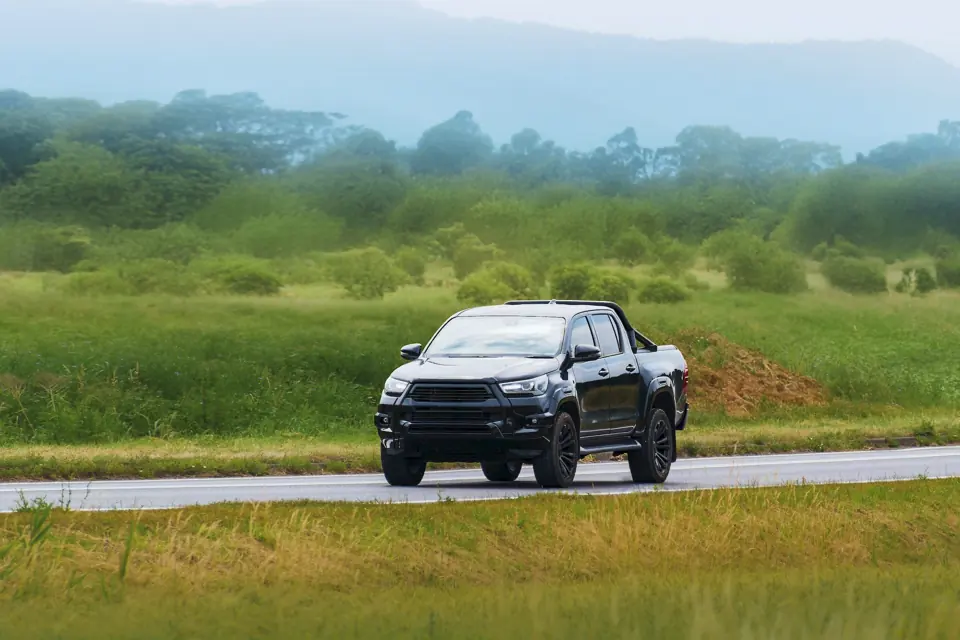
Automatic transmission fluid carries heat from the clutches and converter out to a cooler. As it gets hotter it ages faster. Severe driving such as towing calls for shorter fluid intervals than normal driving. The torque converter is the biggest source of heat, particularly when the engine pulls against a heavy load at low speed. Engineering sources list overheating as a leading cause of converter and stator failure. The overheating page describes the warning signs.
How hot and how high is Reno?
NOAA's 1991 to 2020 climate normals for Reno-Tahoe International Airport put the average July high at 93.9 F and August at 92.1 F. Reno sits at roughly 4,500 feet above sea level, and the grades go up from there. State Route 431, the Mount Rose Highway between Reno and Incline Village, reaches 8,911 feet at its summit. State Route 341, the Geiger Grade, climbs toward Virginia City, and I-80 heads west toward Truckee, about 28 miles away. A long climb with a trailer on a 95 F day is about as demanding as local driving gets.
What habits reduce the risk?
- Know your vehicle's rated towing capacity and stay under it; the number is in the owner's manual
- Follow the severe-service fluid schedule if you tow regularly (see the interval guide)
- Check that the transmission cooler, lines and fan are in good condition before summer
- Use the tow or haul mode if your vehicle has one
- Slow down on long climbs and let the engine work in its range instead of lugging
- Stop and let it cool if a temperature warning appears
What should I watch for on the road?
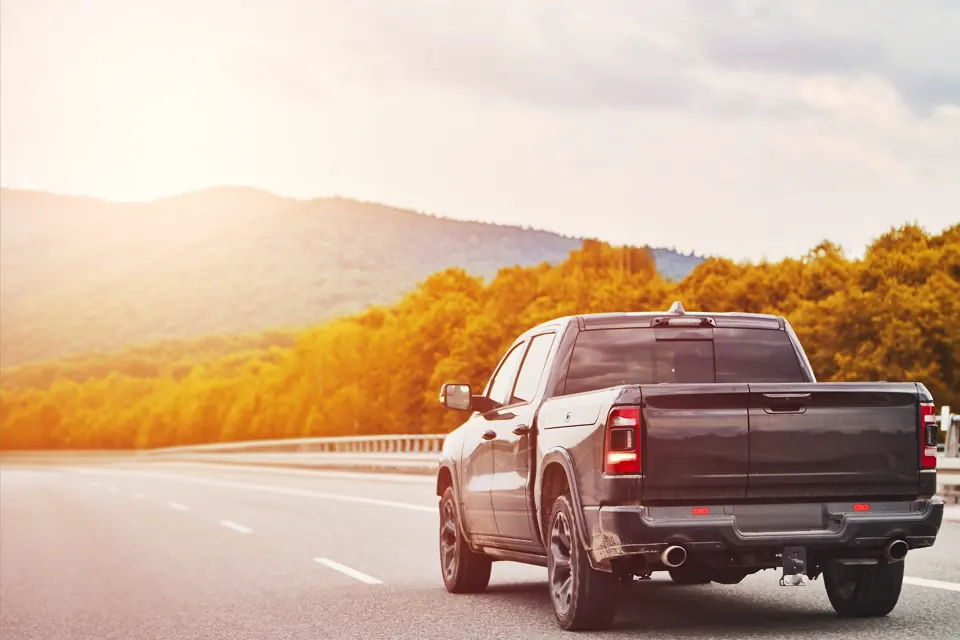
A temperature gauge or light for the transmission, a burning smell, shifts that become harsh or slip, or a smell of hot oil after you stop are all reasons to pull over, set the brake and let it cool before continuing. Read the torque converter guide for why the converter runs hot. Road conditions on the passes are posted at nvroads.com.
What if the vehicle is a truck or motorhome?
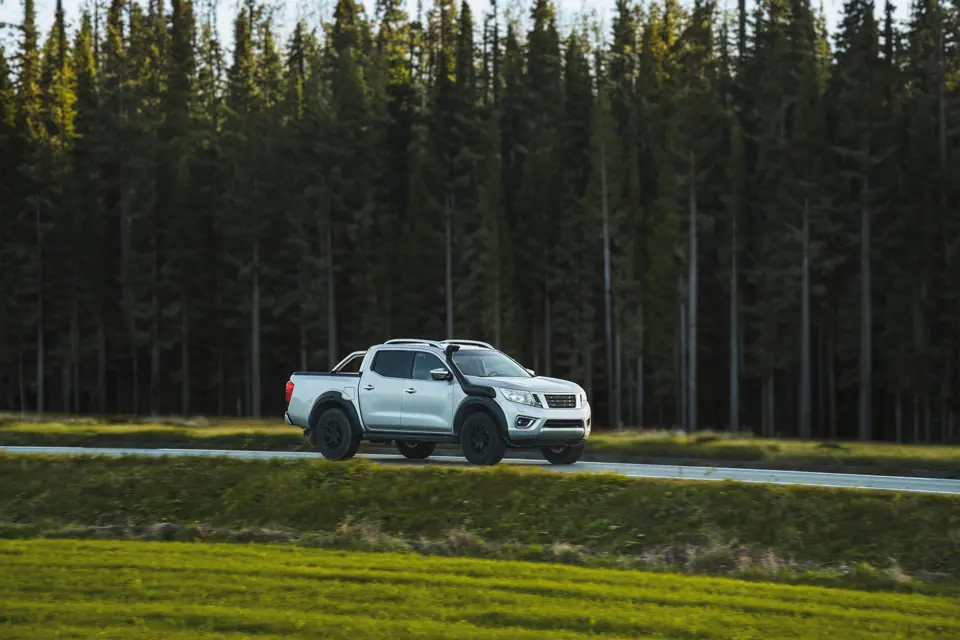
Heavy loads are the reason these vehicles have larger transmissions, but they also spend more of their lives near the limit. The trucks page and the RV and motorhome page cover what is different for each. If the fluid is dark and smells burnt, the vehicle should be looked at before the next trip.