

Drivers searching this question usually already know the transmission is in trouble. Terms like rebuilt, remanufactured and used are not used consistently, so the best protection is to ask exactly what each word means for the job in front of you.
At a glance
- A rebuild uses your original housing and repairs it part by part
- Words like rebuilt and remanufactured overlap, so ask what was replaced
- Diagnosis comes before the decision
- Always ask what coverage comes with the work
What does a rebuild involve?
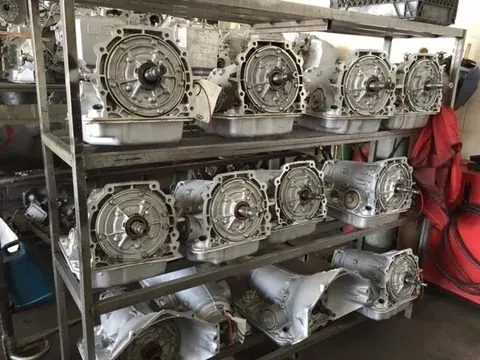
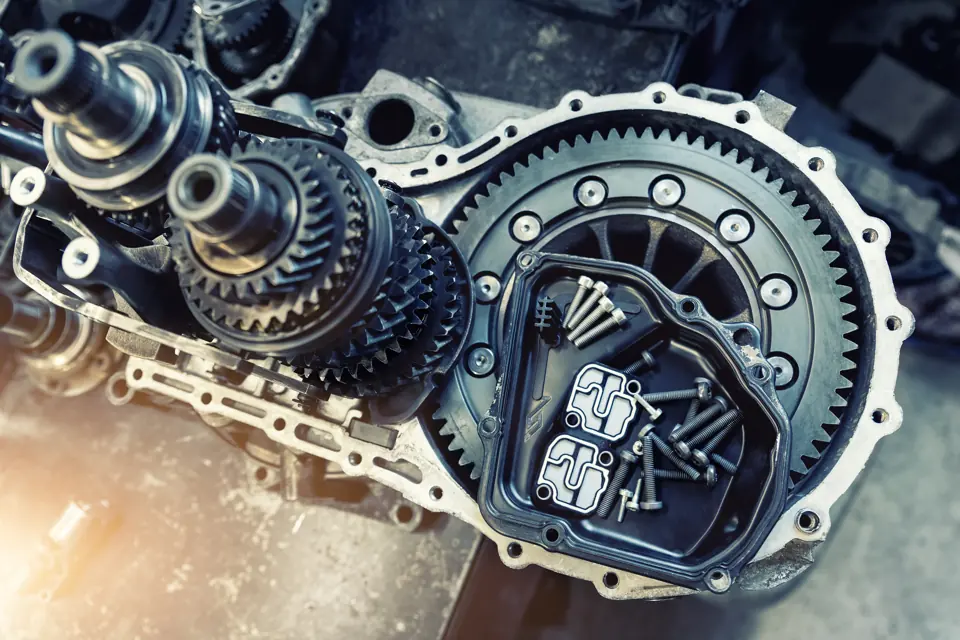
In a rebuild the transmission comes out of the vehicle, is disassembled, and each part is cleaned and inspected. Worn items such as friction plates, seals and gaskets are replaced as a matter of course, and anything that fails inspection is replaced or repaired. The unit is reassembled, filled with fluid and installed. Because the case, gears and many hard parts are reused, the job is only as good as the inspection. The transmission rebuild page explains how the shop approaches the work.
What do rebuilt, remanufactured and used mean?
General references describe remanufacturing as rebuilding a product to the original specifications using reused, repaired and new parts, and note that in the automotive trade rebuilding is an older name for the same idea. In the United States, the Federal Trade Commission's guides for used auto parts (16 CFR Part 20) say a part may be called rebuilt only if it was taken apart and reconstructed as needed, cleaned, and had worn or defective parts restored or replaced to put it in sound working condition; "remanufactured" or "factory rebuilt" also means the work was done at a factory that rebuilds such parts. A used unit, by contrast, is simply taken from another vehicle without being reworked.
Because the labels overlap, the useful question is not which word is on the invoice but what was done: which parts are new, which are reused, and what was tested.
What decides between the two?
- The damage. A unit with a worn clutch pack is a different job from one with a broken case or heavy metal contamination.
- The vehicle. Some transmissions are common and well documented; others are rare or have a known weak point.
- The wait. Parts, machine work and inspection all take time, and the length varies by job; the rebuild time guide lists the factors.
- The coverage. Ask what is covered, for how long, and what voids it. The warranty questions guide has a checklist.
- The price. It depends on all of the above, which is why the cost factors guide exists instead of a number.
Why not decide before the diagnosis?
A shop that names a path before looking is guessing. A slipping transmission might need fluid and a repair of a small part, or a full overhaul. A look at the vehicle, a scan for codes and a check of the fluid come first. The shop's own promise is to diagnose the situation to determine the kind of service you need, and never to sell a service you don't need. Read how that works on the diagnosis page.