

- Symptom guide
- Updated October 18, 2026
Transmission overheating
Transmission overheating means the fluid has run hotter than the transmission was built to handle, most often from towing, long climbs, slow traffic in summer heat, or fluid that is low or worn out. When a temperature warning appears or you smell hot fluid, pull over safely and let it cool before going further.
Closed now. Opens Monday at 7:30 am.
Do not drive it, plan a tow
Heat is the main thing that kills automatics. Stop, shut off and let it cool; if the warning returns after a short drive, the smell is strong or it shifts oddly, arrange a tow with your roadside plan or a towing company and call the shop.
Driving now can turn a smaller repair into a bigger one. Call (775) 829-1333 to talk it through, and arrange a tow with your roadside plan or a towing company.
Common causes
- Towing, heavy loads or long gradesPulling weight uphill makes the transmission work hard and make more heat, especially in the middle of a summer afternoon.
- Low, old or burnt fluidOld fluid carries heat poorly, and a low level means less fluid to absorb it. Both push temperatures up, and each overheating episode makes the fluid age faster.
- A restricted or failing cooler or linesA clogged cooler, a pinched line or a loose fitting cuts the flow that carries heat away, sometimes without any visible leak.
- A torque converter that is not lockingA converter that stays unlocked generates heat as it slips. Lock-up exists partly to reduce that heat, so a failure of that clutch can add to the load.
A transmission turns some of the engine's power into heat as it works, and the fluid carries that heat to a cooler. When more heat arrives than the fluid and cooler can shed, fluid temperature climbs. Reno's normal July high is 93.9 F.
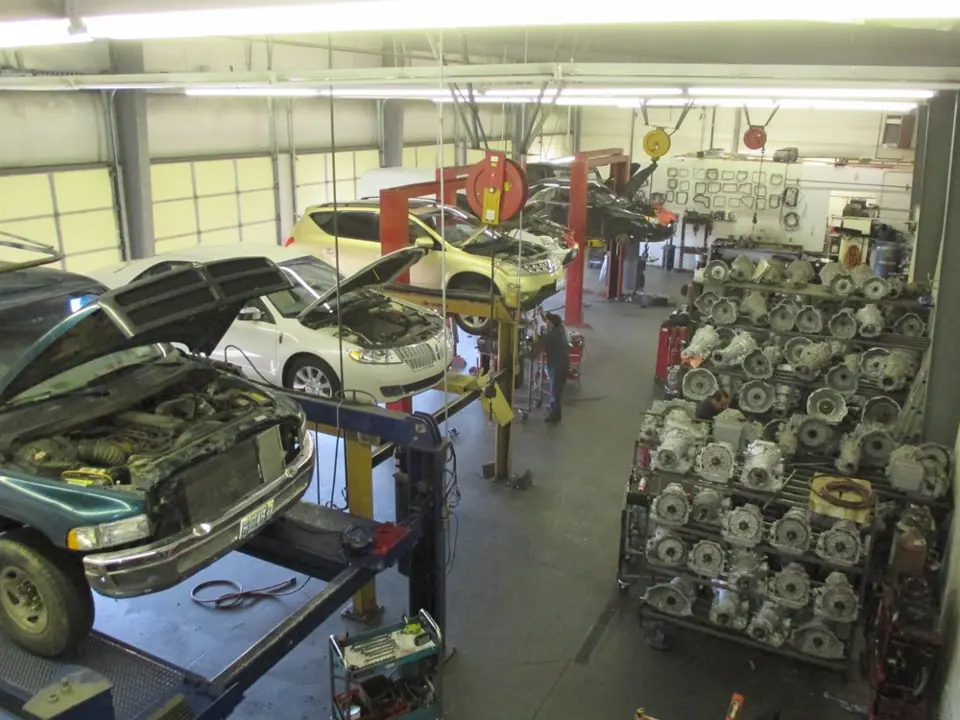
At a glance
- The usual triggers are towing, hills, traffic and old fluid
- A warning light or message is a clear sign to stop
- Fluid that overheats once ages faster afterward
- Cooling is a system: fluid, cooler, lines and converter work together
Why heat is so hard on a transmission
The friction material in the clutches and the seals both have temperature limits, and fluid additives wear out with heat. A torque converter also makes heat when it slips, which is why many include a lock-up clutch that couples the engine directly at cruising speed. When the fluid cooks, the clutches stop gripping cleanly and slipping begins, a cycle that feeds itself.
Signs it is getting hot
- A transmission temperature warning on the instrument cluster, where the vehicle has one.
- A sharp, burnt odor after a climb or a hard pull.
- Shifts that become late, soft or slipping late in a long drive.
- Fluid that is dark, thin and smells scorched when checked.
- Smoke from underneath, which is a stop-now sign.
What to do when the warning comes on
- Slow down and take the load off: ease off the throttle and, with a trailer, find a safe place to stop.
- Park, shift to Park or Neutral per the owner's manual, and let the engine idle for a while only if the manual says so.
- Turn the engine off once it is safe, and let everything cool before you check fluid.
- If it overheats again, or smells burnt, do not keep driving. Plan a tow and call.
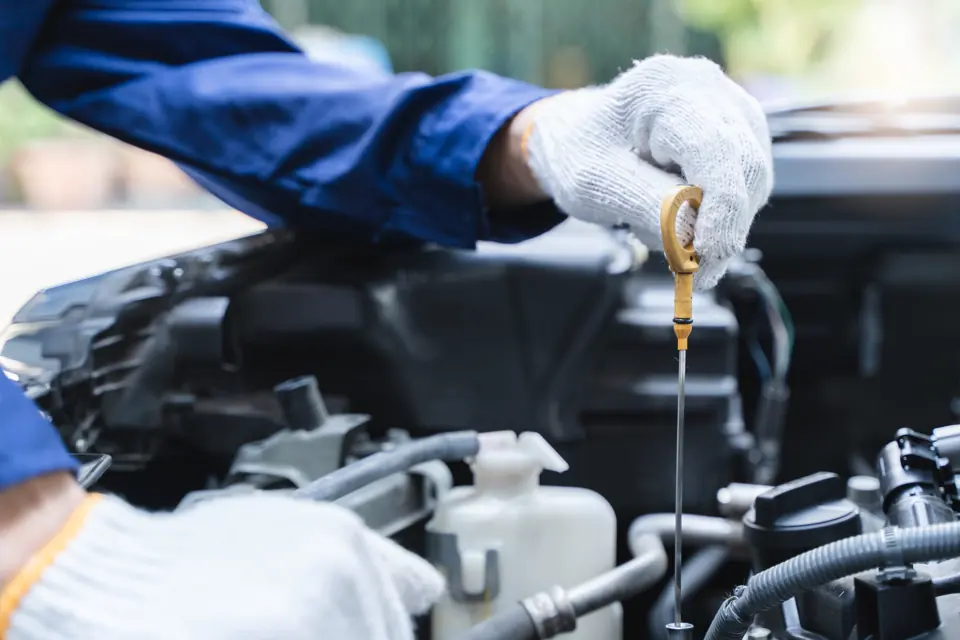
Summer heat and Reno's grades
Reno's normal July high is 93.9 F and August's is 92.1 F (NOAA), and many Washoe County trips involve a climb. A truck towing a trailer or a camper up a long grade in July is the textbook case. The towing, summer heat and your transmission guide goes through load and temperature in more detail, and the pickup trucks page covers heavy-use vehicles.
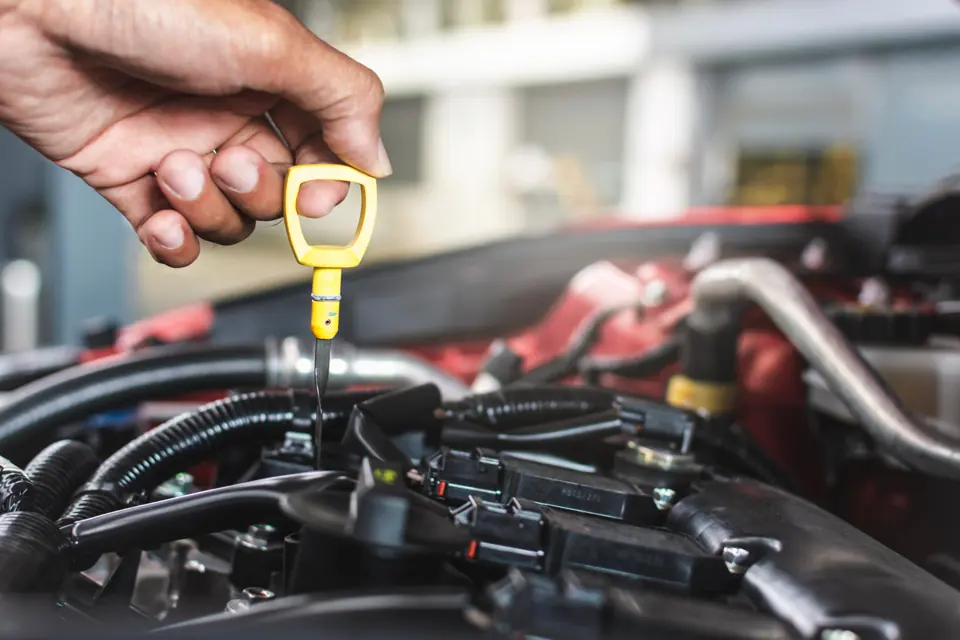
What the shop looks at
The look starts with fluid level, color and smell, then the cooler and its lines for restriction or leaks. It also covers any stored temperature or converter codes. Once the cause is known, the repair may be as small as a line or as large as an overhaul if heat already did its work.
Keep reading
Related pages
Services
Work that fixes this
 Transmission diagnosisTransmission diagnosis is the step where a mechanic finds out what is actually wrong before choosing a repair.
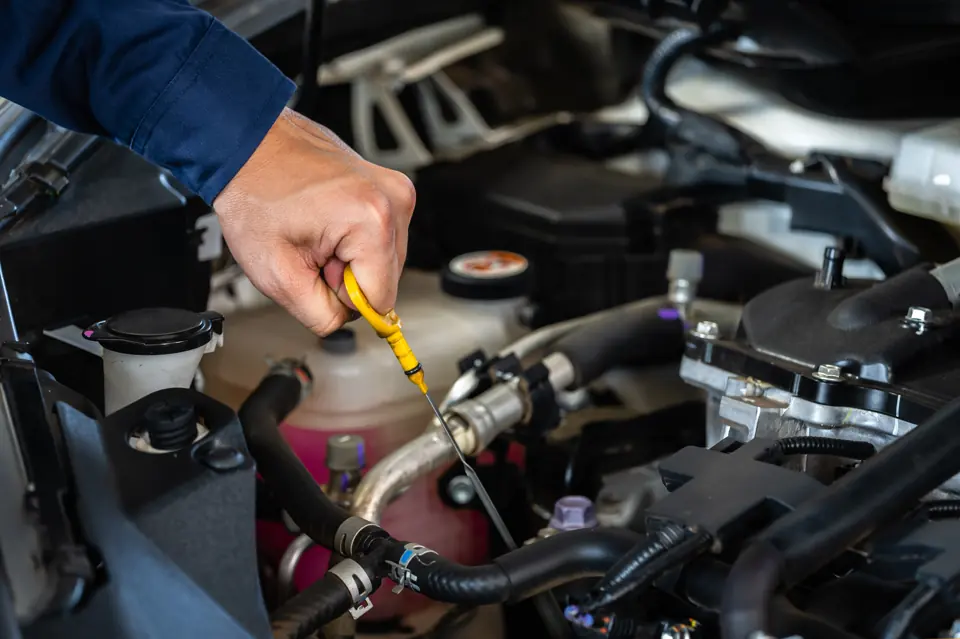 Transmission fluid serviceTransmission fluid service replaces the worn fluid that cools, lubricates and operates your transmission.
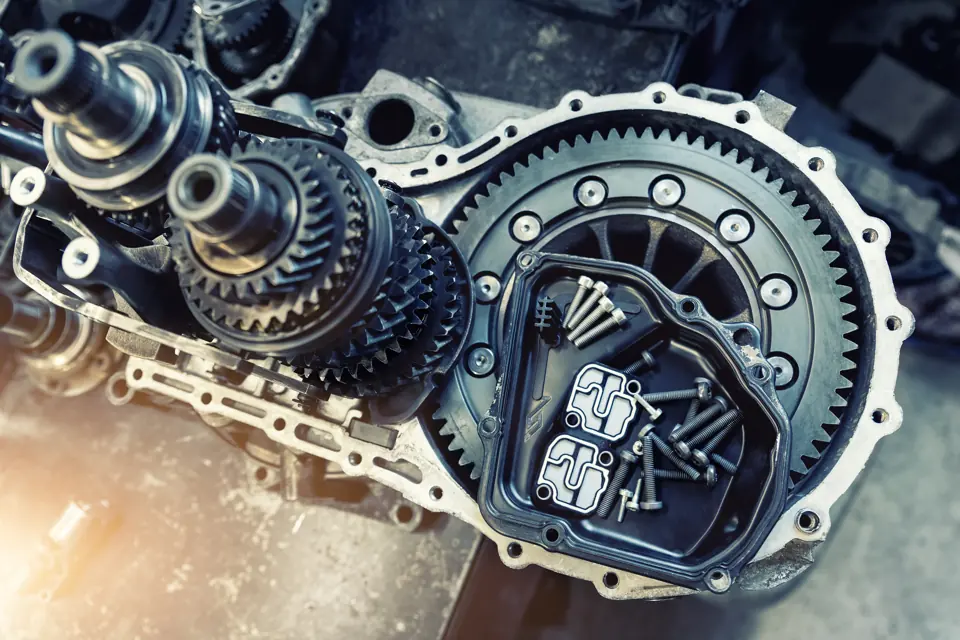 Transmission rebuilds and overhaulsA-1 Transmission rebuilds and overhauls automatic and standard transmissions in Reno, for cars, trucks, RVs and 4x4s.
Symptoms
Other symptoms
- Shudder or vibration (torque converter)
- Limp mode / stuck in one gear
- 4WD noise or 4WD not engaging (transfer case)
- Clutch slipping, grabbing or hard to press
- Transmission slipping
- Hard, harsh or late shifting
- Delay when shifting into Drive or Reverse
- Whining, grinding or clunking
- Transmission fluid leak (red or brown fluid)
- Burning smell
- Check engine light and transmission codes (P0700-P07xx)
- Won't go into gear
- Transmission symptoms
Answers
Transmission overheating questions
Still have a question? Call (775) 829-1333 during shop hours. More answers are on the questions page.
How hot is too hot for transmission fluid?
The limit depends on the vehicle. Your owner's manual or the maker's service information lists it, and a warning light usually appears before damage is severe.
Can I keep driving after the transmission warning light?
No. Pull over, let it cool and call. Driving on hot fluid is how a small problem becomes a rebuild.
Does a transmission cooler help?
A properly sized cooler can lower fluid temperature for a vehicle that tows. What is right for yours depends on the vehicle and the load, so ask when you call.
Does overheating always cause permanent damage?
Not always. A single mild episode may leave no lasting harm, but repeated overheating ages the fluid and wears the clutches.