

What to do when the vehicle will not move
- Make it safe. Turn on the hazard lights. If it will roll, steer to the shoulder or a parking lot. Stay out of the lane and stand well away from traffic.
- Run the basic checks. Foot on the brake, then try Park, Reverse and Drive again. Check the parking brake is fully off, the engine is running and no warning light is flashing. Note whether the engine revs without the vehicle moving.
- Do not force it. Do not rock it back and forth or rev it hard against the transmission. That adds heat and wear.
- Look under it. A red or brown pool under the front or middle of the vehicle points toward fluid loss. Take a photo of it if you can.
- Call the shop. Call (775) 829-1333 and say what it did before it stopped. The shop is open Monday to Friday from 7:30 am to 5:30 pm.
- Arrange the tow. Use your roadside plan or a towing company. Tell the driver the destination, 670 East Grove Street in Reno, once you have talked to the shop.
A vehicle that will not move is stressful, especially if it stopped in traffic. This guide is the order to do things in. It does not replace a tow operator or emergency services if you are in danger on the road.
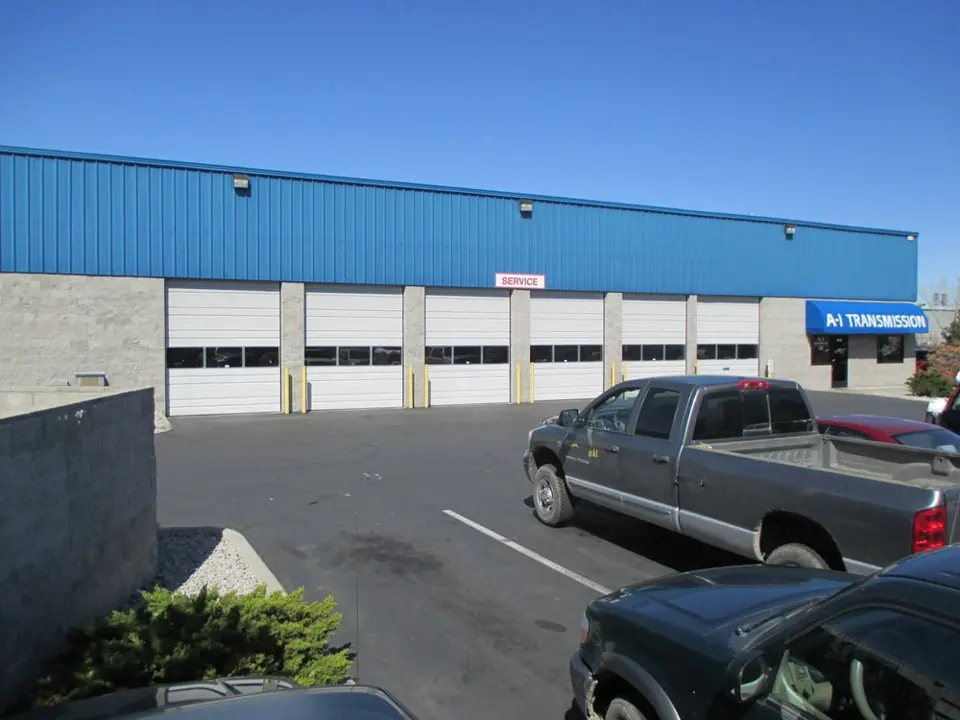
At a glance
- Safety first: lights on, off the traffic lane if you can
- A few quick checks rule out the simple causes
- Call the shop before the tow truck is booked
- You arrange the tow and call the shop first
What simple things can stop a car from moving?
Before you assume a transmission failure, rule out the basics. A parking brake still engaged, a shifter that did not fully seat in Park or Drive, a brake pedal switch that fails, a very low fluid level, or a dead battery or a fault that prevents the vehicle from leaving Park can all look like a transmission problem. In an automatic, the pump that makes pressure runs only when the engine does, so a vehicle that stalls will not move in gear until it is restarted. The won't go into gear page lists the usual causes.
What should I tell the shop?
Describe the sequence: what you heard and felt, whether it moved at all, whether any warning light came on, how it behaved the last few days and whether any fluid is on the ground. The call page lists what is most helpful. The more the shop knows, the better it can plan, and it can tell you whether it makes sense to try anything before the tow.
Who arranges the tow?
You do. Check whether your insurance, your credit card, your auto club or the manufacturer's roadside program includes towing and how far it will go. If not, call a towing company. Book it yourself instead of waiting for the shop to send one. Mention to the operator that the transmission may not be in neutral. Flatbed transport is often used for vehicles that will not roll freely; the operator will know.

What if it is after hours or a weekend?
The shop answers Monday to Friday from 7:30 am to 5:30 pm and is closed Saturday and Sunday. Holiday hours are not published, so call to confirm. You can arrange a tow and park the vehicle somewhere safe, then call when the shop opens. Read about what to expect on the what to expect page.
What happens when it arrives?
The shop diagnoses first and then explains what the vehicle needs, as stated on the diagnosis page. You approve the work. The FTC advises getting an estimate in writing before work begins; see its auto repair basics page.